

Cupping
What is cupping?
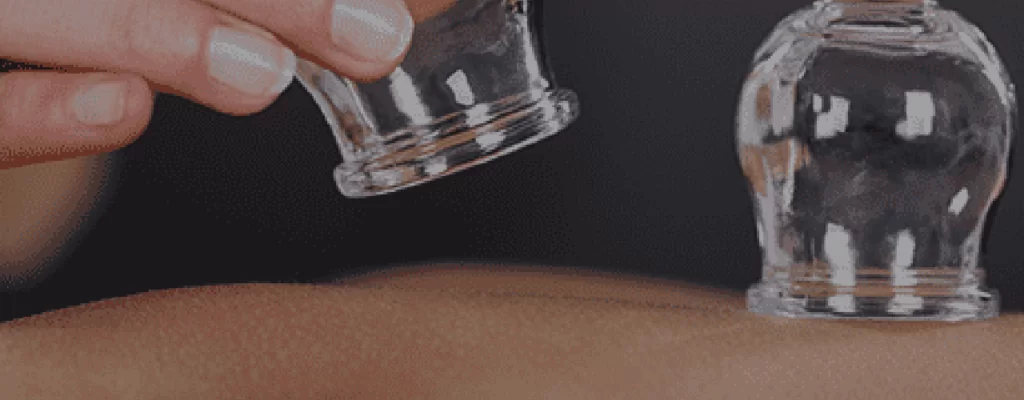
Cupping is a form of physical therapy originating in China. It focuses on increasing blood circulation by placing strategically placed cups against your skin to create suction.
This technique improves blood flow and helps relieve muscle tension and pain. It might also help promote cell repair while also triggering connective tissue and blood vessel generation in the area.
How does cupping work?
Unlike traditional forms of cupping that relied on animal horns, modern cupping typically involves a small, round bowl-like cup made of glass.
There are two types of cupping techniques. Dry cupping only uses suction, while wet cupping often includes suction and controlled bleeding made through small cuts in your skin.
Dr. Stivers., Dr. Robertson, and Dr. Harding draw blood into the area for therapeutic benefits.
What conditions can cupping treat?
Dr. Stivers., Dr. Robertson, and Dr. Harding might recommend cupping for a variety of conditions or issues, including:
- Sore muscles
- Neck, shoulder, or back pain
- Herniated discs
- Migraines
- Knee pain or arthritis
- Sports recovery
In some cases, Dr. Stivers. Dr. Robertson and Dr. Harding might recommend cupping for other issues, including skin conditions, high cholesterol, or improving your immune function.
What can I expect from cupping?
Cupping is a relatively comfortable procedure that can last anywhere from 15-60 minutes.
During your appointment, you lie comfortably on a table while Dr. Stivers., Dr. Robertson, Dr. Harding applies cups to the treatment area. There are two different techniques for this process; one uses a rubber pump to create section while the traditional approach uses heat.
After placing the cup against your body, the gentle vacuum created by the pump or heat draws your skin and muscle inside. It’s common for your skin to redden at this point of the process as blood vessels respond to the pressure inside the cup.
Dr. Stivers. Dr. Robertson, and Dr. Harding leave your cups in place for a specific period of time depending on your type of treatment, ranging from a few minutes to 10 minutes. When they remove your cups, they might apply ointment or bandages to prevent infection. If you have any marks or mild bruising, these typically fade within 10 days.
It’s common for Dr. Stivers. Dr. Robertson and Dr. Harding to perform cupping along with other therapeutic treatments, like a massage.
For more information on cupping, call the office or book an appointment online today.