Tennis Elbow Treatment: Reduce Pain and Speed Up Healing
Tennis elbow, or lateral epicondylitis, is a condition that causes pain and tenderness on the outside of the elbow, often triggered by repetitive wrist and forearm movements. Whether you are an athlete, a tradesperson, or someone who spends long hours typing, this condition can interfere with everyday activities. Seeking early tennis elbow treatment can reduce discomfort, restore strength, and help you avoid long-term issues.
Many people try to manage tennis elbow on their own, using rest, braces, or home remedies. While some mild cases may improve with time, relying solely on self-care often delays healing. A more effective solution involves a guided rehabilitation plan led by a licensed physical therapist. Below, we compare the benefits and limitations of physical therapy versus self-managed care for treating tennis elbow.
Symptoms and Challenges of Tennis Elbow
Tennis elbow causes pain on the outside of the elbow that may radiate into the forearm and wrist. It typically develops from overuse, especially during gripping, lifting, or repetitive motion tasks. Symptoms may include:
- Pain when shaking hands or lifting objects
- Discomfort while turning a doorknob or using tools
- Tenderness over the lateral elbow
- Weak grip strength
If left untreated, the condition can become chronic and interfere with work, hobbies, and general function.
Tennis Elbow Treatment Options: PT vs. At-Home Care
The goal of any tennis elbow treatment plan is to reduce pain, restore mobility, and rebuild strength. Let’s explore how physical therapy compares to at-home care when it comes to outcomes, risks, and overall recovery.
1. Diagnosis and Personalized Assessment
Self-Care
Most people who self-treat rely on online advice, trial-and-error remedies, or generic stretching routines. Without a professional evaluation, it is difficult to confirm the diagnosis or identify contributing factors like poor posture or improper technique.
Physical Therapy
At Mile High Physical Therapy, physical therapists begin with a thorough assessment to confirm the diagnosis and understand your specific triggers. They evaluate arm strength, movement patterns, and ergonomic factors to build a plan tailored to your condition and goals.
Advantage: Physical therapy provides an accurate diagnosis and a targeted plan, reducing the risk of prolonging the problem with ineffective strategies.
2. Pain Relief and Inflammation Management
Self-Care
Home care typically includes ice, rest, and possibly over-the-counter anti-inflammatory medications. These methods may offer temporary relief but do not address underlying mechanical imbalances.
Physical Therapy
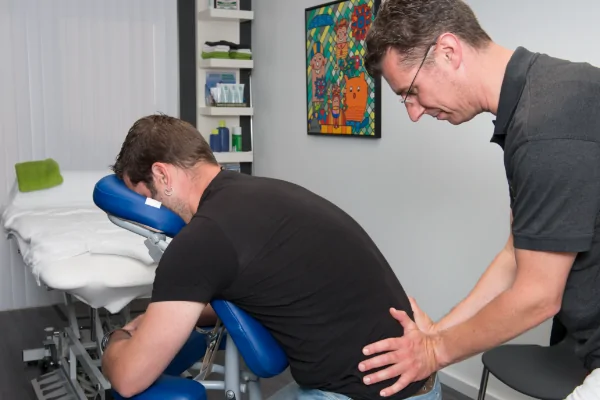
Therapists use evidence-based techniques such as manual therapy, soft tissue mobilization, and specific movement strategies to reduce strain on the affected tendon. These treatments are designed to both relieve pain and improve healing.
Advantage: Physical therapy provides hands-on treatment and progressive loading strategies to promote lasting relief.
3. Restoring Strength and Preventing Re-injury
Self-Care
People who feel better after rest may return to activity too quickly without rebuilding forearm strength or addressing the root cause. This often leads to recurring pain and a cycle of re-injury.
Physical Therapy
A tennis elbow treatment plan at Mile High Physical Therapy includes progressive strengthening exercises that are introduced at the right time. Therapists teach you how to safely return to activity and how to modify techniques to reduce stress on the elbow.
Advantage: Physical therapy helps prevent future flare-ups by improving biomechanics and endurance.
4. Function-Based Recovery
Self-Care
Generic advice may not apply to your specific activity demands. For example, a construction worker, tennis player, and office worker all require different recovery approaches.
Physical Therapy
Therapists at Mile High Physical Therapy customize your treatment to your lifestyle. Whether your goals include swinging a racquet, using tools, or returning to typing, your recovery plan will reflect your personal needs.
Advantage: Personalized plans support faster and more complete recovery that aligns with your lifestyle.
Making the Right Choice for Your Recovery
When weighing your options for tennis elbow treatment, it is important to consider not only how quickly you want to feel better, but how well you want to heal. While self-care might be the first step, it often lacks the structure and progression needed to fully resolve the condition. Physical therapy offers a guided, research-backed approach that focuses on reducing pain, improving strength, and preventing recurrence.
Patients who receive care at Mile High Physical Therapy benefit from:
- A comprehensive evaluation
- Tailored treatment plans
- Hands-on care and education
- Strategies to improve long-term function and reduce risk
If tennis elbow is interfering with your daily life, you do not have to manage it alone. Professional support can make a measurable difference in your recovery.
Start Healing with Professional Care
Don’t let elbow pain hold you back from work, recreation, or everyday tasks. The team at Mile High Physical Therapy is here to guide you through a customized tennis elbow treatment plan that helps you regain strength and function. Contact us today to schedule your evaluation and take the first step toward lasting relief.